





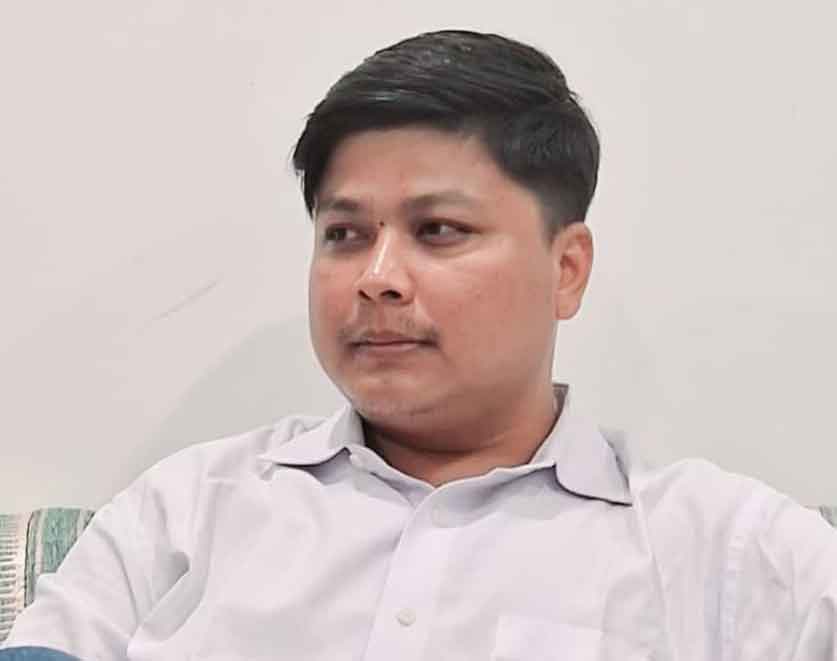
When we look at the story of India’s growth as a nation, we often recall political leaders, freedom fighters, or celebrated reformers. Yet, behind the public stage, there exists another set of selfless workers who have quietly shaped the course of our society, the Pracharaks of the Rashtriya Swayamsevak Sangh (RSS).
A Pracharak is not an ordinary volunteer. He is a person who renounces his personal ambitions, family life, and career to dedicate himself completely to the service of society and the nation. Living a life of simplicity, moving from one part of the country to another, Pracharaks have been the backbone of RSS’s work since its inception in 1925. Their life is not defined by personal fame but by the quiet impact they leave on communities, schools, villages, and people’s lives.
Pracharaks in the National Landscape
Across India, the contribution of Pracharaks has been multi-dimensional. They have played a key role in spreading the message of discipline, social harmony, and patriotism. Through shakhas and training camps, they have inspired lakhs of young people to dedicate time towards social service, cultural revival, and community building.
Education has been one of their strongest contributions. Institutions under Vidya Bharati, guided by Pracharaks, run thousands of schools today where lakhs of students study. These schools do not merely impart academic knowledge but also shape responsible citizens with cultural pride and moral grounding.
Pracharaks have also been at the forefront of social reform. They have worked extensively for Samajik Samrasta, erasing untouchability, encouraging social integration, and promoting equal participation of marginalized communities. In times of calamity, whether the Gujarat earthquake, Odisha cyclone, Kerala floods, or the COVID-19 pandemic, Pracharaks have mobilized swayam sevaks for relief and rehabilitation. Their efforts are often the first organized help that reaches affected families.
In politics too, their indirect influence is remarkable. Many of India’s prominent leaders, Deendayal Upadhyaya, Atal Bihari Vajpayee, Lal Krishna Advani, and Prime Minister Narendra Modi, were once Pracharaks. They carried the values of simplicity and service into the political sphere, shaping the nation’s governance with the ideals of Integral Humanism and Antyodaya, the upliftment of the last person.
The Journey of Pracharaks in Manipur
While the national contributions of Pracharaks are widely known, their work in Manipur holds a special place in the history of the Sangh. The arrival of Pracharaks in the Northeast was not an easy journey. They came from distant parts of India, leaving behind the comfort of familiar surroundings, and immersed themselves in an entirely different cultural and social environment.
In Manipur, the Sangh first began its work in the mid-20th century. The early Pracharaks who came here stayed in very simple conditions, sometimes with nothing more than a small bag, a diary, and a bicycle. They spent their days learning the Manipuri language, understanding the traditions of the hills and valleys, and slowly becoming part of the community. Their approach was not to impose but to integrate, to understand the pulse of the people and then guide with patience and humility.
One of the greatest contributions of Pracharaks in Manipur has been in the field of education. With the establishment of Vidya Bharati schools in different districts, thousands of students have been given access to quality education combined with moral values and cultural teachings. These schools stand apart not only for their academic excellence but for the discipline, self-confidence, and leadership qualities they nurture in students. Many alumni today serve as teachers, social workers, administrators, and professionals who carry forward the spirit of service they imbibed in their school days.
Promoting Social Harmony in a Sensitive Land
Manipur is a land of diversity, home to both hill and valley communities with rich traditions. However, history has also seen tensions and misunderstandings between different groups. Here, Pracharaks played an essential role in promoting Samajik Samrasta, social harmony. By organizing cultural programs, joint activities, and inter-community gatherings, they helped bridge divides and encouraged people to see themselves as part of a larger Indian identity.
Even in times of unrest, swayam sevaks under the guidance of Pracharaks stepped forward to maintain peace, provide relief, and protect the vulnerable. Their work has always been rooted in service without expectation of recognition.
Service During Calamities
Manipur, being prone to floods, landslides, and occasional unrest, has often seen crises where Pracharaks and swayamsevaks became a source of relief. Whether distributing food and medicines, setting up relief camps, or helping rebuild homes, their presence has brought hope to many. During the recent pandemic too, their role in supplying rations, arranging blood donation camps, and spreading awareness was widely acknowledged across districts.
Youth Empowerment and Rural Development
Another significant area of contribution has been youth empowerment. Pracharaks have inspired generations of Manipuri youth to dedicate their time to social causes, leadership training, and self-reliance. Through rural development programs, they have encouraged organic farming, water conservation, and skill development projects that strengthen village life. Their philosophy is rooted in Antyodaya, ensuring that the last person in society benefits from development.
Quiet Workers, Lasting Legacy
What makes Pracharaks truly unique is their anonymity. They rarely seek the spotlight or personal glory. A Pracharak may spend decades in Manipur, moving quietly from one district to another, inspiring students, organizing service projects, and strengthening social harmony, yet his name may never be known outside a small circle. But the impact he leaves behind is far greater than recognition.
As the RSS approaches a century of its existence, it is important to recognize the contributions of these silent torchbearers in Manipur. Their work in education, harmony, relief, and empowerment continues to strengthen the social fabric of the state. In a land of diversity, their message remains simple yet powerful: unity, service, and discipline are the foundations of a strong society.
The story of Pracharaks is a reminder that true nation-building does not happen only in parliaments or capitals. It happens in classrooms, in villages, in relief camps, and in the quiet dedication of individuals who choose service over self. In Manipur, as in the rest of India, Pracharaks remain the silent nation-builders, carrying forward a legacy of selfless dedication and unshakable faith in the strength of society.