






Dr. N. Munal Meitei
Environmentalist; email-nmunall@yahoo.in

“The world is a book, and those who do not travel read only one page” Saint Augustine
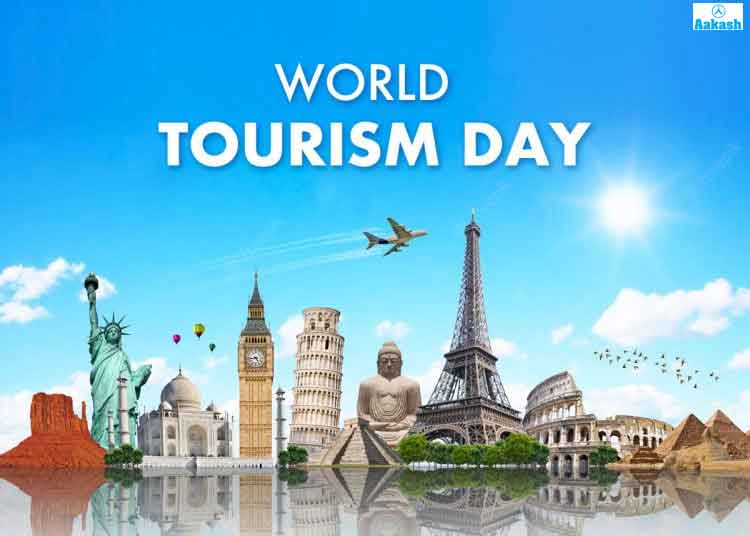
September 27 is World Tourism Day with this year’s theme, “Tourism and Sustainable Transformation” highlighting tourism’s transformative potential as an agent of positive change. This day is celebrated to raise awareness on the role of tourism and how it affects the worldwide social, cultural, political and economic values. Tourism is one of the world’s most important economic sectors. It employs one in every ten people on Earth and provides livelihoods to hundreds of millions more.
Tourism often highlights for its role in economic development and fostering in peace and transformation. It requires good governance, strategic planning, robust monitoring and clear priority setting that align with long-term sustainability goals. It is a catalyst for social progress, delivering education, employment and creating new job opportunities for all. To unlock these benefits, a deliberate and inclusive approach is essential, one that places sustainability, resilience and social equity at the core of tourism development and decision-making. Tourism is an industry made by people and for people, emerging as a compelling and dynamic force to defy stereotypes and challenge prejudices.
Tourism is not just about visiting beautiful places; it’s about creating positive change, protecting our planet and enriching lives – ensuring that no one is left behind. Tourism a force for good – ensuring our stunning natural wonders are preserved, our diverse cultures are celebrated, and local communities truly benefit.
Over the decades, tourism has experienced continued growth and deepening diversification to become one of the fastest growing economic sectors. Modern tourism is closely linked to development and encompasses a growing number of new destinations. Tourism is especially well-placed to promote environmental sustainability, green growth and our struggle against climate change. Everyone has a role in sustainable tourism. Every action counts. Tourism offers great opportunities for the emerging economies and developing nations.
Tourism isn’t just about revenue; it’s also about fostering connections, understanding diverse cultures and promoting sustainable practices. In Uganda, each mountain Gorilla earns $1 million annually and revenue from these tours is more than $800 million in 2023. This empirical result suggests that the improvements in our Parks and Sanctuaries will benefit the sustainability for tourism, economy and environment.
Tourism industry can expect a brilliant future, based on natural assets of the environment. This industry looks as a promising future for youths, migrant workers and rural populations. Tourism also benefits traditionally disadvantaged groups such as women – who share 54% of the workforce in the sector compare to 39% for the whole economy.
Looking ahead, the global tourism workforce will require millions of hospitality graduates and a further 800,000 jobs a year will require for vocational training. Thus, we need to invest in people, as the foundation for those who wish to be part of the sector to access the best quality tourism and training.
India is a treasure trove of exquisite vast beaches with glistening sand, magnificent mountains covered in snow and adventurous forests boasting of rare and beautiful flora and fauna. Every tucked snugly in the foothills, waterfall, mountain peak, estuary, desert or forest is unique and no one can fathom how beautiful the country is. We have the time to appreciate our culture and heritage of different states and helps to understand the country better.
A wanderer is almost always intrigued by dense forests and the excellent wildlife that the country houses. India is a tourist’s paradise and tourism industry plays an important role in our economy. Indian tourism industry ranks among the fastest-growing economic sectors in the country. As reported by World Travel and Tourism Council, India’s tourism revenue in 2024 reached a record ₹3.1 trillion in international visitor spending, a 9% increase from the previous peak in 2019. The sector contributed a total of ₹21 trillion to the Indian economy in 2024, with domestic tourism also seeing significant growth and spending rising by 22% above 2019 levels which is 9.2 % of total GDP and supports 32.1 million jobs which is 8.1% of employment in 2021.
India has rich historical monuments with 44 UNESCO World Heritage Sites. The country also has 36 cultural sites, 7 natural sites and one mixed property. The country has 1,022 protected areas as of November 2024 comprising of 106 National Parks, 573 Wildlife Sanctuaries, 123 Conservation Reserves, and 220 Community Reserves, covering approximately 5.43% of India’s geographical area. We also have 91 Ramsar sites of wetland importance.
Manipur, literally meaning “A jeweled land,” nestled deep within a lush green corner of North East India. Mrs. St. Clair Grimwood once described Manipur as “A pretty place more beautiful than many show places of the world” and Japanese army once termed Manipur as “A flower on the lofty height”.
Manipur is a cirque valley surrounded by hills, rich in Art and tradition with beautiful natural landscapes. The Manipur River flows across the valley and joins in Chindwin River on its head. Rajashree Bhagyachandra made the famous classical dance of Manipur, Ras Lila out of his enchanting dream by the grace of Lord Krishna.
Having a varied and proud history, while talk of Manipur, we always remember our lovely Sangai, the Siroy Lily, the Manipuri Dance, the modern Polo- our gift to the world, the Emma Keithel, the Loktak Lake and our Sports and Culture – the favorites for tourists.
One of a kind, Manipur has the only women market in the world, a show of feminine might. Our cuisine, rich in aroma from the local herbs and spices, a typical platter will never be forgotten. The skill of Manipur is not limited to textiles, people’s exemplary skill at pottery knows no equal. The items on show never fail to enchant, these skills passed on from each generation make Manipur the best place to visit for tourist.
With literacy rate of 92.0%, many educated youths in the state are without an employment. Tourism will be the only viable Industry that will solve these problems. Therefore, on coming the World Tourism Day, 2025, let’s save our forests and the beautiful landscapes to attract more visitors in future days.