







Dr. N. Munal Meitei
Environmentalist, presently working as DFO/Chandel,
email:- nmunall@yahoo.in

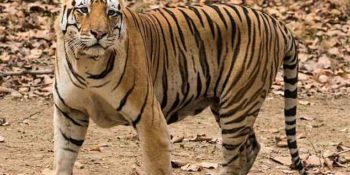
The 29th July is International Tiger Day with this year’s theme, “Harmonious Coexistence between Humans and Tigers”. This theme emphasizes the importance of finding ways for humans and tigers to live in harmony, highlighting the need for conservation efforts that benefit both the species and their shared ecosystems. This day is a global measure taken by tiger 13 range countries to conserve and increase the number of wild tigers to protect them and their habitats.
We must protect tigers because our planet’s future depends on it. Tiger is a symbol of beauty, bravery, strength, exquisite and nationality; so, save the tiger means save the national pride. The beautiful, awe-inspiring tiger is one of the planet’s most iconic animals. Tiger, the royal animal revered in various cultures, is also called the ‘Umbrella Species.’ By conserving this majestic animal, we also conserve the pristine eco-system and thousands of other species in the same habitat.
This day is observed with much fervor and enthusiasm to build and develop a stronger bond between wildlife and people. We are to protect tigers’ natural habitats, raise public awareness and support for tiger conservation issues for this magnificent but endangered big cat and to create a Tx2 – ‘Tigers times two.’ The Global Tiger Forum is the only intergovernmental alliance dedicated exclusively to the conservation of wild tigers.
Tigers live in some of the most important but also highly threatened habitats on the planet, where many of the exceptional species thrive. Left with just 5% of the range where they used to roam, tigers are losing their homes to deforestation, infrastructure and other human disturbances, forcing them into rapidly diminishing pockets of nature. According to WWF, globally there are only 5872 tigers left. 95% of the tiger population got extinct since the beginning of the 20th century.
As per the latest tiger estimation report, India’s tiger population is 3682 tigers. This is about 63%, the highest number of tigers so far, a country has globally. Because of the planned efforts under the Project tiger, National Tiger Conservation Authority (NTCA) and State Governments, the country could attain the achievement to protect the striped predator. The tiger population declined from 3642 in 1990 to just over 1411 in 2006. Since then, the government has undertaken several steps to reduce the destruction of the Bengal tiger’s natural habitat in the country.
These projects had an excellent recovery to increase the tiger population upto 3682 in 2022, almost in 58 tiger reserves across 18 states covering 2.3% of India’s total land area. The approach focused to habitat preservation, anti-poaching enforcement and scientific monitoring with Forest, Police and other agencies to make India a global leader in tiger conservation.
The challenges for decline in tiger population are habitat loss – humans have cut down the forest areas for purposes like agriculture, timber and create enough living spaces leading to a loss of 93% tiger’s natural habitat. Poaching & illegal trade of tigers happen as there is a huge demand for each body parts of tiger from whiskers to its tail. ‘Man animals’ conflict, the climate change–rising sea levels of Sunderbans etc. are wiping out the tiger population. None of the tiger conservation landscapes in India within the Bengal’s tiger range are large enough to support an effective population size of 25.
Manipur being in the boarder state with Myanmar is in a strategic route for wildlife crime. Wild life crime is the global 3rd largest crime next to the drugs and arms in terms of volume and number. The illicit demand for bones and other body parts of tiger for use in traditional Chinese medicine is another reason for the unrelenting poaching pressure in the country.
The mandate for project tiger is the hope to conserve tigers in a holistic manner. At present the dynamics of forest management and wildlife conservation have been distorted due to need of income, lack of manpower, lack of awareness, lack of land use policy and population pressure. A regional development approach in landscapes having Tiger Reserves is of utmost importance in our country. It should be viewed as a mosaic of different land use patterns, viz, tiger conservation, forestry, sustainable use and development, besides socio-economic growth.
Tiger habitats exist in environments of thousands of indigenous communities which depend on them and the traditional use systems of people in these landscapes are neither static nor benign. Therefore, we cannot view these protected areas in isolation from the surrounding socio-economic realities and developmental priorities of the government. This call for a cross-sectorial and cross-disciplinary approach.
Tigers now need a ‘preservationist’ approach. Regional management planning is important all over the country to foster ecological connectivity between protected areas through a restorative input with integrated land use planning. In Manipur also, it was reported cattle to have been killed by tiger in Tamenglong district. If so, we could include the Manipur in the global tiger map. Though, we have the Acts and Rules, unless the acceptance from all sections of the society that our national animal is in a tipping point, we will be too late for tomorrow to save the tiger, the iconic, royal, majestic and the king of the forests.