






“Every life seems to begin from Reptile and they are our Forefathers”

Dr. N. Munal Meitei,
Environmentalist, presently working as DFO/Chandel;
email- nmunall@yahoo.in
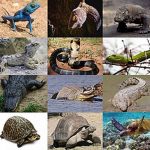
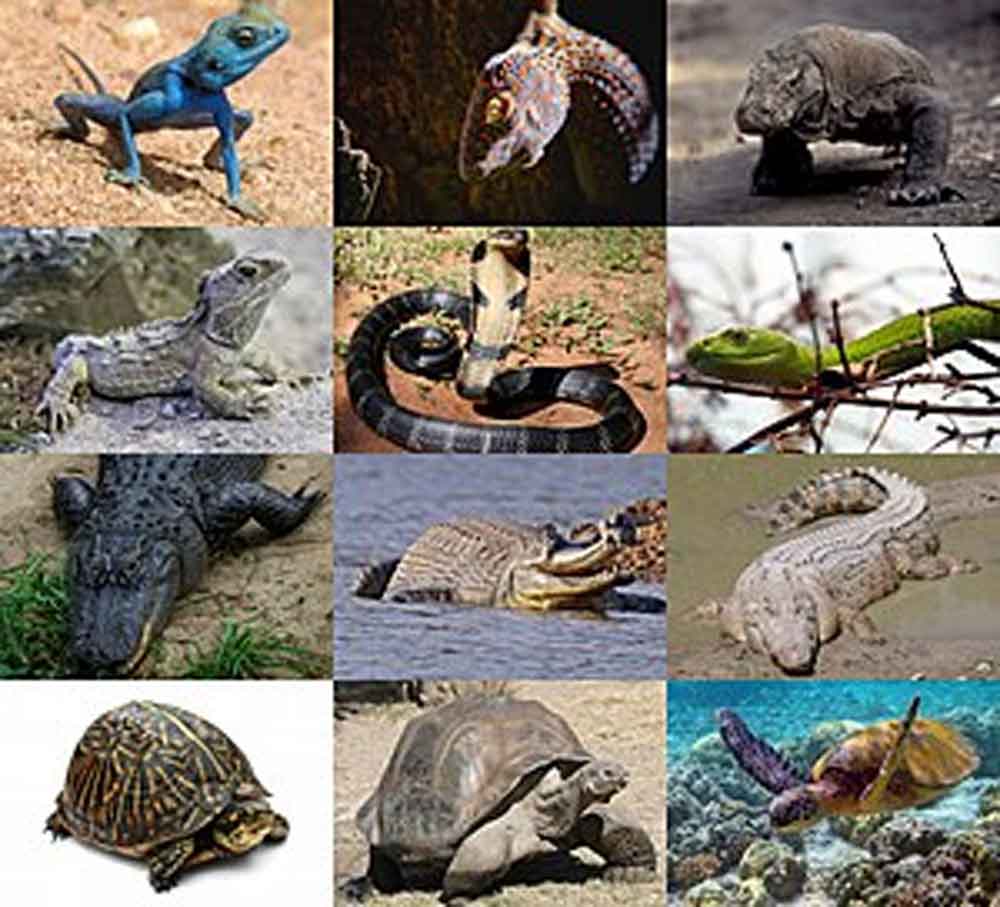
Reptile Awareness Day is observed on 21 October. Reptiles, our four-legged and sentient friends are the most fascinating gifts of nature that has walked the earth for around 400 million years. This day encourages people to learn about the incredible world of reptiles, appreciate their importance and support conservation efforts to protect their habitat and population. The day also remind us the ecological and cultural importance of reptiles, the threats they face, and practical ways to support their protection. Reptiles, which include snakes, turtles, lizards and crocodiles, are unique creatures that squeamish and admirers alike in our ecosystem. The day is about appreciating reptiles’ beauty and uniqueness as it is about urging collective action to ensure their survival in a rapidly degrading world.
Despite being one of the most endangered groups of vertebrate animals, reptiles are often misunderstood and overlooked. According to CITES, approximately 91% of all reptiles remain unprotected. They can feel emotions like joy and fear, and they have personal likes and dislikes. But the destruction in their natural habitat threatens the existence of many reptiles.
Reptiles, in tetra pod are one of the most diverse classes of organisms on this planet. They serve an important role in the ecosystem of whatever biome they’re a part of and without reptiles, we couldn’t be in a healthy environment and many animals will stop in their food chain. Reptiles are often referred to as cold-blooded which is a misnomer and they cannot regulate their own body temperature. Their temperatures and metabolic processes are entirely reliant on external temperatures. They move to warm up and thus we see reptiles catching bask in the sunlight.
All reptiles breathe using their lungs. Reptiles do not have sweat glands. Vipers, anaconda and rattlesnakes don’t lay eggs but instead, give birth to live young. Reptiles are the longest-lived animals on the planet. Reptiles can be found on every continent except for Antarctica– their eco-impact is huge but richer in tropical areas. In some reptiles, temperature in hatching decides the male and female. Most reptiles are carnivores. There are 500 species of venomous snakes but only about 40 of them are harmful to humans.
Reptiles constitute a vital component of biodiversity and ecosystem stability. Their diverse species, estimated at over 12,000 worldwide, occupy niches across every continent. We don’t often consider how important reptiles are globally but reptiles play an important role in balancing the ecosystem and food chain.
Reptiles are the best pest controllers both in land, wetland and coastal environments. They’re the ones that make sure the enough resources for all the animals living within their habitat by preventing overpopulation and providing food for predators. For example, snakes and lizards are considered ‘friends of farmers’ as they control the population of rodents and insects.
Reptile are seed dispersers and ecosystem engineers as they transport seeds to created burrows that also provide shelter for other animals, enhancing biodiversity. Being sensitive to habitat changes, reptiles are indicators of environmental health as they can signal ecosystem disturbances earlier than any other species. Their evolutionary adaptations, reproductive biology and immune systems offer valuable research pathways as scientific insight in medicine, genetics and environmental science. Many of reptiles also help get rid of dead animals, which help to keep the environment clean and prevent the harmful diseases.
According to Zoological Survey of India, India supports 6.2% of all planet’s reptilian. There are 518 species of reptiles in the country. They include 3 species of crocodiles, 34 species of turtles and tortoises, 202 species of lizards and 279 species of snakes belonging to 28 families. Of the 518 species of reptiles found in India, nearly192 species are endemic and among these, 26 species have been listed as ‘Threatened’ in the IUCN Red List.
Since several Indian reptile species and their parts are being traded internationally, many of them are included in CITES appendices. There are 19 species of reptiles included in Appendix –I, 30 species in Appendix-II and 4 species in Appendix-III.
Manipur which occupies only 0.7% of country’s geographical area but supports 10.80 % of fauna and 17.24% of amphibians and reptiles in the country. The recorded reptiles of the state are 74 species in which 25 lizards, 1 gharial in Barrak valley, 10 tortoises and turtles and 38 snakes.
Reptiles are mainly exploited and traded for their meat, skin, eggs, flesh and shell. Exponential increase in human population, urbanization, habitat destruction, illegal trading, poor agricultural methods and pesticides and indiscriminate hunting are the factors leading to decline in reptile population.
Reptiles are one of the more underappreciated animals on this planet, but more we learn, we will understand how fascinating these creatures really are! It is important to understand that every reptile has its specified role in nature and protecting them should be a concern to us.
Wildlife conservation depends on the understanding and value of local people, authorities and the governments. We also need to have a deeper bond between the environment and mankind. Reptile Awareness Day celebrates these scaled wonders not merely as exotic creatures but as indispensable players in earth’s intricate web of life. By recognizing their ecological roles, appreciating their uniqueness, understanding threats and supporting conservation, we can help to ensure reptiles continued to thrive for the future generation.