






Dr N. Munal Meitei,
Environmentalist, presently working as DFO/Chandel
email – nmunall@yahoo.in

“Trees are poems that the earth writes upon the sky.”
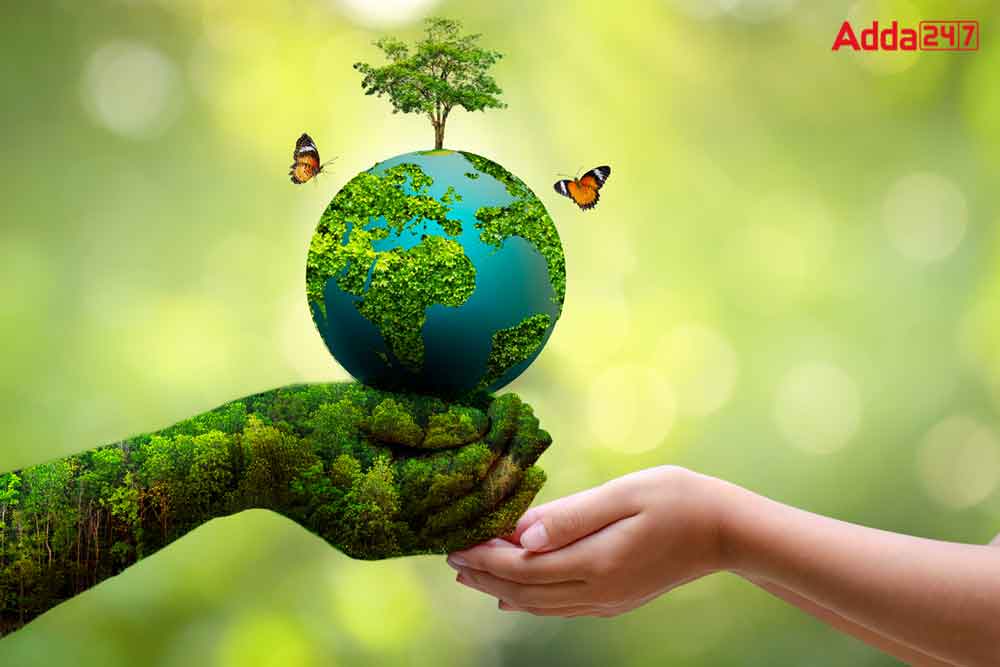
September 26 is observed as World Environmental Health Day since 2011 with 2025 theme: “Clean Air, Healthy People.” The day advocates not just about safeguarding ecological health but realizing the effect that environmental health has on the health of humans and other living beings and also about taking tangible actions to protect the environment.
Clean air is essential for human health and well-being, as breathing polluted air 12 times a minute contributes to numerous diseases, including heart disease, lung disease, stroke and cancer with disproportionately affecting the vulnerable groups like children and elders. Achieving clean air requires a multifaceted approach, including technological solutions like renewable energy and electric vehicles, supportive government policies, and individual actions such as reducing personal emissions, conserving energy, and improving indoor air quality through ventilation and plants.
Good air quality contributes to longer, healthier lives and a better overall quality of life for everyone. United Nations observed this day to improve the environmental health with better quality of air, water, food, housing and communities.
International Federation of Environmental Health (IFEH) – a nonprofit organization based in London, established in 1986 is taking the lead role to disseminate knowledge about environmental health among the people and promote cooperation between countries to improve the overall environmental health of our planet.
World Environment Health Day and World Environment Day are two different global events to raise awareness and take action to protect our planet. The first being focused on the relationship between the environment and human health, while the second being the biggest world’s environmental safeguarding event focusing on various environmental issues.
As a society, we are responsible for the ecosystem that has sustained all forms of life on this planet and healthier the ecosystem is, the healthier and happier is the living beings. The restoration of ecosystem to its healthier past as well as halting and reversing the degradation in every field can help to end poverty, combat climate change and prevent extinctions.
The well-being of people is intricately linked to the quality of our surroundings. A safe and protected environment with clean air, safe drinking water, hygiene and ecological diversity support the human being in a protected environment. Hence, it is important to ensure the safety of environmental health, which will ensure the safety of human health and others in the long run.
The chemical, physical and cultural environment of a specific region is known as its environmental health. According to WHO, healthier environments can be one of the most significant reasons behind preventing almost one-quarter of the global burden of diseases. Clean air, climate cycle, adequate drinking water, sanitation and hygiene, safe use of chemicals, sound agricultural practices and a preserved nature are all the best practices for a healthy environment leading to sound public health.
Human behaviour lies at the root of both conservation and environmental degradation. Rapid population growth and economic growth are threats to environment and natural habitats. Fossil fuel is driving the climate crisis, taking away our right to breathe clean air and with indoor and outdoor air pollution a life is claimed for every 5 seconds.
Plastic is the biggest challenge for the present world. Land microplastic contamination is estimated to be 23 times higher than marine microplastic pollution. In India, 95% of urban stray cattle suffer from various ailments due to hazardous material inside their abdomen, out of which, 90% are plastic bags. All these facts are the tip of the iceberg, and what about the terrestrial lives?
Environmental health is a human right. Climate change and disaster risks are fundamental threats to sustainable development. Environmental health is a core discipline and a holistic approach is needed to reduce disaster risks and climate change. Besides combating climate change by reduction in the use of fossil fuels, we must also strengthen our initiatives in terms of mitigation and adaption.
India finds itself in the ranks of those liberal nations that are increasingly taking charge to solve the environmental degradation and climate change. India’s post-independence rapid economic growth has lifted millions out of poverty but is putting a heavy pressure on its ecosystems. Increasing patterns of unsustainable management to feed the 1.43 billion people have impacted all forms of environmental challenges posing risks to human health.
The Health Ministry has launched the National Action Plan for Climate Change and Human Health, to monitor the effects of environment change on public health and strengthen preparedness and response at the national, state and district level.
Manipur, a dream land with pristine structures, stolid and regal is known for its rich and green landscapes. But now, the state is facing with various environmental health problems. Overexploitation of forests and wildlife, rapid population growth, unplanned land management, urbanization, lack of environmental awareness, poverty, poppy cultivation and Jhooming are some of anti-environment activities.
The state needs to stop any forms of deforestation now. Proper environmental impact assessment should be carried out before implementation of any projects attracting the FCA-1980. State should take more control over the forests on 90% hill areas. Land and soil degradation may be regularly monitored and checked. Proper urban planning should be developed along with proper waste management system. All the degraded/deforested areas should afforest at the earliest.
If we do not take care of our environment, we all are in danger. It is the time we put environmental concerns at the centre of our developmental agenda. The healthier our environment is the hale and hearty, our health becomes. Hence, it is our prime responsibility to upkeep our environmental health.