





Dr. N. Munal Meitei
Environmentalist, presently working as DFO/Chandel,
email-nmunall@yahoo.in
The hum of bees is the voice of the Nature

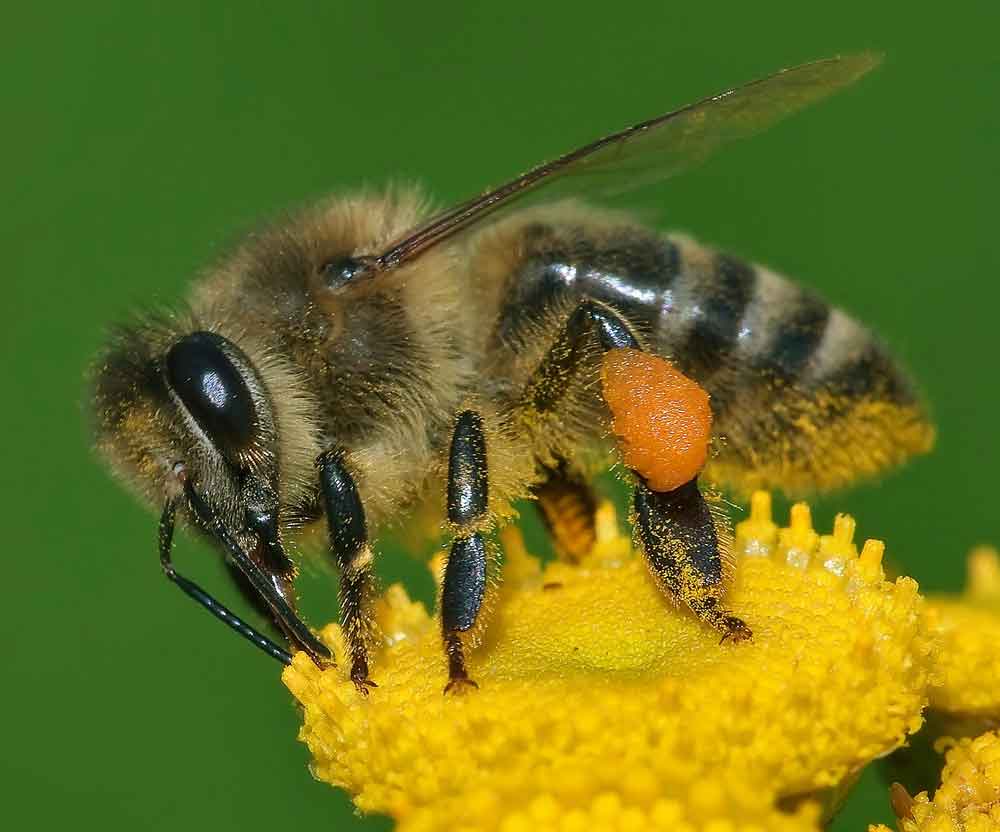
On 16 August, the 3rd Saturday, World Honey Bees Day is observed with this year’s theme, “Bees inspired by nature to nourish us all”. There are 20,000 different species of bees around the world but only 7 of them are honeybees. Today is again International Homeless Animals giving massage to donate time or money to help homeless animals, from providing food to nurturing or helping with rescue and adoption efforts.
We often take nature for granted. We don’t think about the pivotal role that all of life’s creatures play. However, this day gives us perfect opportunity to pay honor to the incredible creatures that play critical role in our ecosystem and environment.
The theme for 2025 is “Bee Inspired by Nature to Nourish Us All”. This theme highlights the vital role of bees and other pollinators in agrifood systems and the health of ecosystems, emphasizing the connection between nature, food security and human well-being
The queen honeybee takes 16 days from egg stage to form into an adult. The worker bee takes 18 to 22 days for complete development, and drone bees take 24 days to develop into an adult bee. The practice of beekeeping dates back at least 4,500 years. A honeybee can fly for up to six miles and as fast as 15 miles per hour. Bees communicate by dancing.
A world without pollinators will be like a world without living beings. But the bees who take the lead role in pollination are in brink of extinction. Honeybees are indispensable pollinators, essential for the reproduction of many plants, including crops that form the backbone of our food supply. It is estimated that bees pollinate approximately 75% of the world’s flowering plants and about 35% of global food crops. This encompasses a wide variety of fruits, vegetables, nuts and seeds. Without bees, many of these plants would face severe declines in productivity, leading to food insecurity and unavailability.
The economic value of bees as pollinators is immense. Globally, the contribution of pollinators to agriculture is estimated to be between Rs. 19,646 and Rs. 48,237 billion annually. This figure reflects the enhanced yield and quality of crops facilitated by pollination. In one study where pollination was well-managed, the farmed crop yields increased by 24%.
According to FAO, the number of managed honeybee colonies has decreased considerably up to annual loss of about 30% of their hives since 2006. Efforts to protect and support honeybee populations are gaining momentum worldwide. These initiatives include preserving and restoring habitats, promoting sustainable agricultural practices and reducing the use of harmful pesticides. Urban beekeeping is also on the rise, providing bees with safe havens in city environments where they can thrive away from agricultural pollutants.
Intensive farming practices, land-use change, habitat loss, mono-cropping, pesticides, higher temperatures associated with climate change, diseases and parasites all pose challenging for bee populations. If this trend continues, nutritious crops, such as fruits, nuts and many vegetable crops will be substituted increasingly by staple crops that do not need pollinator like rice, corn and potatoes, eventually resulting in an imbalanced diet. However, many of the nutritious foods, like fruits, some vegetables, seeds, nuts and oils, would disappear without pollinators.
Pollination is, however, a fundamental process for the survival of our ecosystems. To create an environment where honeybees can thrive, recognising their health is inextricably linked to our own. Bees and other pollinators, such as, butterflies, birds, moths, beetles and even bats are increasingly under threat from human activities. Nearly 90% of the world’s wild flowering plant species depend, entirely, or at least in part, on insect pollination. Not only do pollinators contribute directly to food security, but they are keys to conserve biodiversity.
Honeybees are under threat. Present species extinction rates are 100 to 1,000 times higher than normal due to human impacts. Close to 35% of invertebrate pollinators, particularly bees and butterflies and about 17% of vertebrate pollinators, such as bats, face extinction globally which is the greatest threat to human survival.
Honey is a golden, thick liquid produced by bees using the nectar of flowering plants. Bees must have visit 7000 flowers in a day and gather nectar from 4 million flowers to make 1 kg of honey. One bee has to fly about 90,000 miles – three times around the globe – to make one pound of honey. The average bee will make only 1/12th of a teaspoon of honey in its lifetime. A honeybee visits 50 to 100 flowers during a collection trip. The kind of flowers that bees visit will impact the texture, smell and taste of the honey.
Honey has a lot of nutritional benefits including antioxidants. Studies have shown that honey can help to improve our cholesterol levels reducing greater risk of heart disease including strokes and heart attacks as well and some forms of cancer. It’s also beneficial for eye health. Studies have shown that honey can help to improve our cholesterol level. Honey is used for healing burns and wounds as it has the anti-inflammatory and antibacterial effect that has the ability to nourish the tissue that surrounds the wound. The natural fruit sugars in honey – fructose and glucose – are quickly digested by the body. This is why sportsmen and athletes use honey to give them a natural energy boost.
It’s all about the circle of life, and we should do our bit to help on saving the honeybees and hence, to save honeybees:- planting a diverse set of native plants, which flower at different seasons; avoiding pesticides, fungicides or herbicides in our gardens; protecting wild bees and ants when possible; sponsoring a hive; making a bee water fountain by leaving a water bowl outside; helping sustaining forest ecosystems; raising awareness by sharing the information and networks.
Bees are more than just honey producers; they are vital to our food security, economy and biodiversity. Honeybees and beekeeping help in regeneration ecosystem which in turn uplift our economy. Since the importance of Honeybee is crucial in our planets and they are also endangered species, we need to work together to conserve these hard-working friends for a sustainable environment.